 JournalJournal
 Collin Johnson
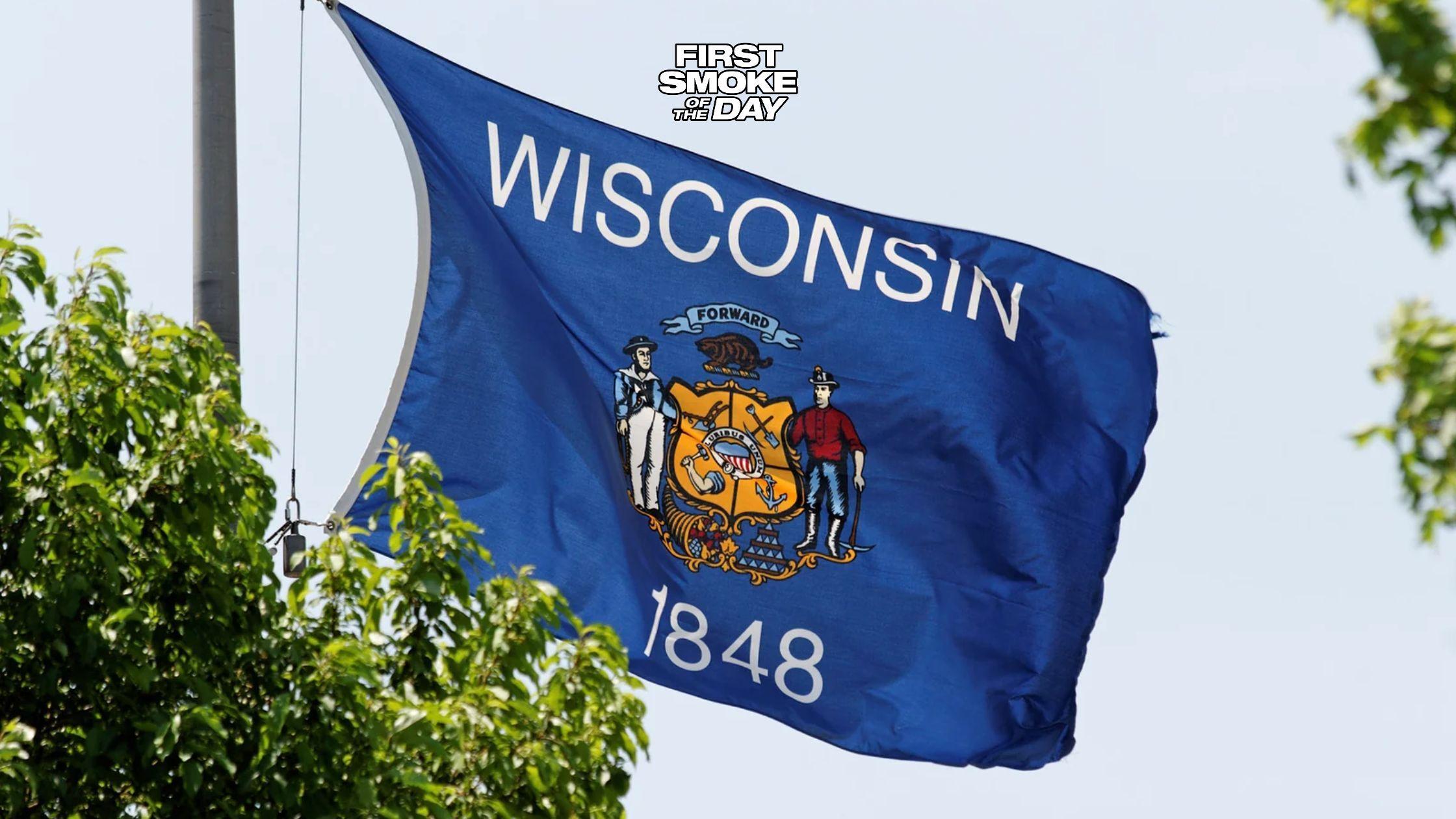
Wisconsin may be next. After this week's midterm elections handed Democrats control of both chambers of the state legislature and put a pro-legalization governor-elect in office, top lawmakers are saying out loud what reform advocates have waited years to hear: the state is going to legalize cannabis.
Rep. Greta Neubauer, the Assembly Democratic leader now in line to become speaker, said legalization is popular with voters and that the party intends to get it done "in the coming year to two years." For a state that has watched legalization pass all around it, that's a major shift.
The holdup was never the voters. It was the math in the Capitol. Outgoing Gov. Tony Evers, a Democrat, spent years pushing to legalize cannabis, only to have Republican majorities block him every time. Democratic lawmakers filed a full legalization bill this past session, and a bipartisan decriminalization bill was floated too. Neither went anywhere.
This week flipped the board. With Democrats now holding the Assembly, the Senate, and the incoming governorship under David Crowley, the party has the unified control it never had before. Sen. Mark Spreitzer, who chairs the Democratic Caucus, said he's confident, adding that he thinks they're going to be able to get it done.
The most persuasive argument here isn't ideological. It's financial, and it's bleeding across the border every day. Spreitzer, who lives in Beloit just a couple of miles from Illinois dispensaries, put it bluntly, calling Wisconsin an "island of prohibition surrounded by legalization" and saying that's bad for the state.
The numbers kicking around definitely back him up. A legislative analysis found Wisconsin residents spent more than $121 million on cannabis in Illinois alone in 2022, handing $36 million in tax revenue to a neighboring state. Sen. Chris Larson framed it as simply giving money away for bad policy. Meanwhile, Wisconsin's own Department of Revenue estimated that legalization could generate close to $170 million a year in tax revenue at home. Crowley has said that money could fund things like free pre-kindergarten and expanded healthcare.
There are already hints that Wisconsin wants to be thoughtful about how it does this, not just whether. Crowley has stressed the need for "guardrails" to protect children and ensure accurate labeling. Larson said the framework should favor "homegrown businesses" rather than letting operators from other states come in and dominate the market. And the public is on board. A Marquette Law School poll found two in three Wisconsin voters support legalization.
This article is based on reporting by Tom Angell for Marijuana Moment, drawing on interviews the lawmakers gave to WKOW-TV and WISN-TV. Read the original coverage at marijuanamoment.net.
Let’s soak in this moment for a second. A Midwestern state where two-thirds of voters back legalization, that's been watching its own residents drive across the border to spend money in Illinois, now has the political power to actually act. Wisconsin didn't flip because of some clever campaign. It flipped because prohibition stopped making sense to the people living next to a legal market. And it's part of a bigger picture, landing in the same week that cannabis reform had a strong showing across the country. The dominoes are still falling, and this is one of the heavier ones.
Here's where we pump the brakes, not on the optimism, but on the assumption that this is a done deal. Unified control guarantees a bill. It doesn’t necessarily guarantee a good one. "One to two years" is a timeline with a lot of room to slip. We've watched plenty of states with full Democratic control either take forever or pass something flawed. The hard part was never agreeing to legalize. It's the details: tax rates, licensing caps, equity provisions, home-grow rights, and whether a handful of big operators end up owning the whole market. That's where legalization quietly goes right or wrong, and it's where the real fight in Madison will actually happen.
Here's the part that should make Wisconsin optimistic in the right way. It's going nearly last, and that's a gift. Every mistake has already been made somewhere else and documented in detail. The oversupply and price collapse in California. The MSO consolidation squeezing out small brands. The 280E tax vise. The fee structures and regulatory paralysis strangling programs like Nebraska's before they can serve a single patient.
Wisconsin can study all the failures and simply choose not to repeat it. Larson's instinct to protect "homegrown businesses" is exactly the right one, because the states that let outside operators capture the market early are the ones whose craft scenes never recovered. So the opportunity in front of Wisconsin isn't just to legalize. It's to legalize better than almost everyone who went first. Whether lawmakers actually seize that advantage, instead of rushing a revenue grab, is the thing worth watching over the next two years. Follow FSOTD for new exclusive podcast episodes and more updates directly from the culture.
Membership gets you full episodes, behind-the-scenes, and more. Start with a free trial.
Start Your Free Trial