 JournalJournal
 Collin Johnson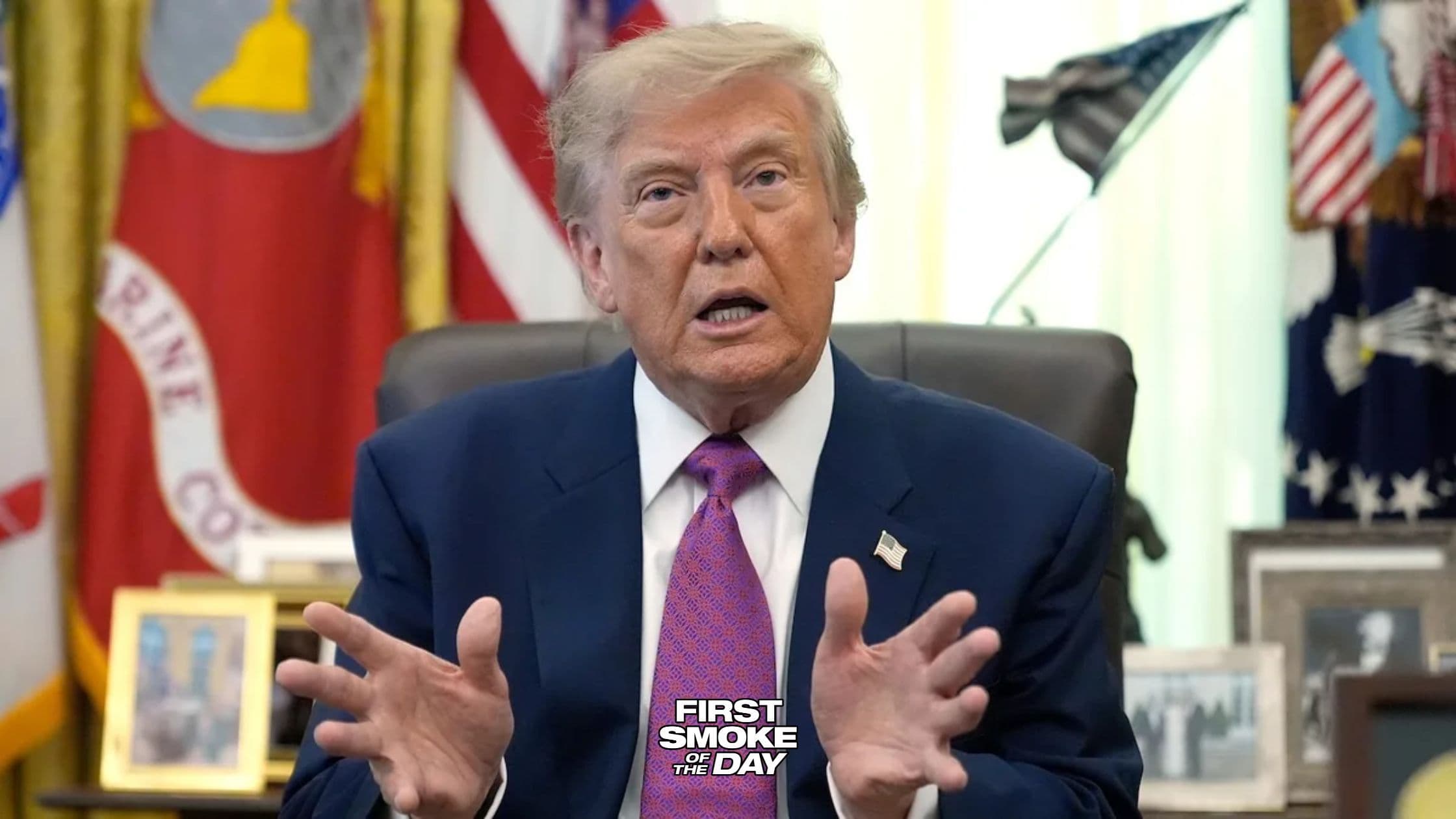
The hemp industry wants more time. It got 29 days, tied to the messiest deadline in Washington.
President Trump signed H.R. 6500 on Wednesday, September 2. The bill keeps the federal government funded through December 11, and buried inside it is a delay of the hemp restrictions that were about to take effect on November 12. So, the industry gets a short reprieve. It doesn’t get much else, and the fine print matters more than the headline.
The restrictions come from Section 781 of the spending bill Trump signed last November. That provision rewrites the definition of hemp around total THC, and it specifically counts THCA, the compound that converts to THC when heated. It also caps finished hemp cannabinoid products at just 0.4 milligrams of total THC per container. The US Hemp Roundtable estimates that definition would wipe out roughly 95% of the hemp cannabinoid products on shelves today. This is not a tweak. It's a dinosaur extinction-level rewrite for most of the market.
Here's the part a lot of the coverage glossed over. The extension is not universal, and what it means for a business depends entirely on what that business sells.
Products made with cannabinoids the cannabis plant cannot naturally produce still lose their federal hemp status on November 12, exactly as originally scheduled. That date did not move an inch. What got pushed to December 11 is the rest of the new framework, including that brutal 0.4-milligram cap. So if you sell a hemp-derived delta-9 gummy or drink, the delay is real and useful. If you sell something built on lab-synthesized cannabinoids…you got nothing; bupkis.
Most commercial delta-8 sits in a middle category. The law treats cannabinoids the plant can make but that were synthesized outside it separately, and the FDA says delta-8 is usually manufactured from hemp-derived CBD. That category does get the December 11 delay, but the line between what's allowed and what's banned is genuinely blurry, which brings us to the agency that was supposed to clear it up.
Section 781 ordered the FDA to publish, within 90 days, a full list of which cannabinoids the plant can naturally produce, plus specifics on what even counts as a "container." That deadline was February 10. As of the bill signing, the agency had published none of it. Congressional researchers already called out the same failure earlier this year. As a result, businesses are being asked to comply with a definition the government itself hasn't finished writing.
The new hemp deadline didn't land on December 11th by accident. That's also the day the government funding runs out. Lawmakers wrote the hemp delay into a stopgap spending bill, so it inherited that bill's expiration date.
The timing here is a problem. If the industry needs another fix in December, it will have to fight for it in the middle of the next government shutdown showdown. This would mean competing with defense, veterans programs, and everything else crammed into a must-pass bill. A crowded, must-pass bill is exactly how this delay squeaked through in the first place. It's also the worst possible place to be small.
The votes weren't even remotely close. The Senate cleared the bill 90 to 6 in early August, after beating back an effort from Sen. Ted Budd to strip the hemp delay out. The House passed it 370 to 48 on September 1, over a handful of Republicans who wanted the ban to hit on time. The White House had already thrown its weight behind it, and Trump has spent months publicly pushing to protect access to full-spectrum CBD.
But nobody should read the extra month as the ban going soft. A senior White House official reportedly told Senate Republicans behind closed doors that this would be the last delay, full stop. Not everyone in government even wanted this one. A bipartisan group of 35 state and territory attorneys general urged Congress to let the ban take effect, arguing it protects consumers and the legitimate industrial hemp market.
The stated point of the delay is to give lawmakers time to write regulation instead of prohibition, and the proposals are already piling up. Rep. Andy Barr has a bill to prevent recriminalization and set manufacturing, labeling, and tax rules with a 21-and-up age limit. Rep. James Comer is circulating his own version with packaging and testing requirements. Another bipartisan pair wants to keep hemp THC drinks legal and regulate them like alcohol. None of these have cleared a committee yet.
The alcohol industry is quietly rowing in the same direction. Major beverage retailers and wholesalers, along with the National Restaurant Association, would rather see hemp drinks folded into the existing regulated alcohol system than banned outright. And the market itself isn't waiting. Target rolled hemp THC drinks into more than 300 stores across Florida, Texas, and Illinois back in May, months before any of this was settled.
This article is based on reporting and analysis by Javier Hasse for High Times, with the bill signing confirmed via the White House. Read the original analysis at hightimes.com.
Call this what it is. Not a reprieve, but a massively tense and looming countdown. The hemp industry has spent months treating each delay like a win, and this one is the thinnest yet. Twenty-nine days, welded to the single most chaotic deadline on the calendar, with a carve-out that leaves whole product categories facing the November 12 guillotine anyway. If you sell synthesized cannabinoids, you didn't get an extension at all.
If you sell hemp delta-9 drinks, you got a few weeks and a front-row seat to the next government shutdown fight. That is not the posture of an industry that's winning. And the "no further extensions" message coming out of the White House should end any fantasy that this drags on forever. The default outcome is still prohibition. The only thing that changes it is Congress actually passing a real regulatory framework, and the honest truth is that none of the bills floating around have moved an inch through committee.
Here's the deeper embarrassment…the FDA was legally ordered to define the very terms everyone is fighting over, months ago, and it simply didn't. So we have a ban with a moving deadline, built on a definition the government hasn't bothered to finish writing, riding on a spending bill that expires the same day. That's not policy. That's a pileup.
For anyone in this space, the read is simple and a little grim. Stop celebrating extensions and start watching those regulation bills, because December 11 is not a new lease on life. It's the same cliff, moved twenty-nine days closer to the edge. The smart operators are the ones spending this month lobbying for a real framework, not restocking shelves. The clock didn't stop. It just got louder. Follow FSOTD for new exclusive podcast episodes and more updates directly from the culture.
Membership gets you full episodes, behind-the-scenes, and more. Start with a free trial.
Start Your Free Trial