 JournalJournal
 Collin Johnson
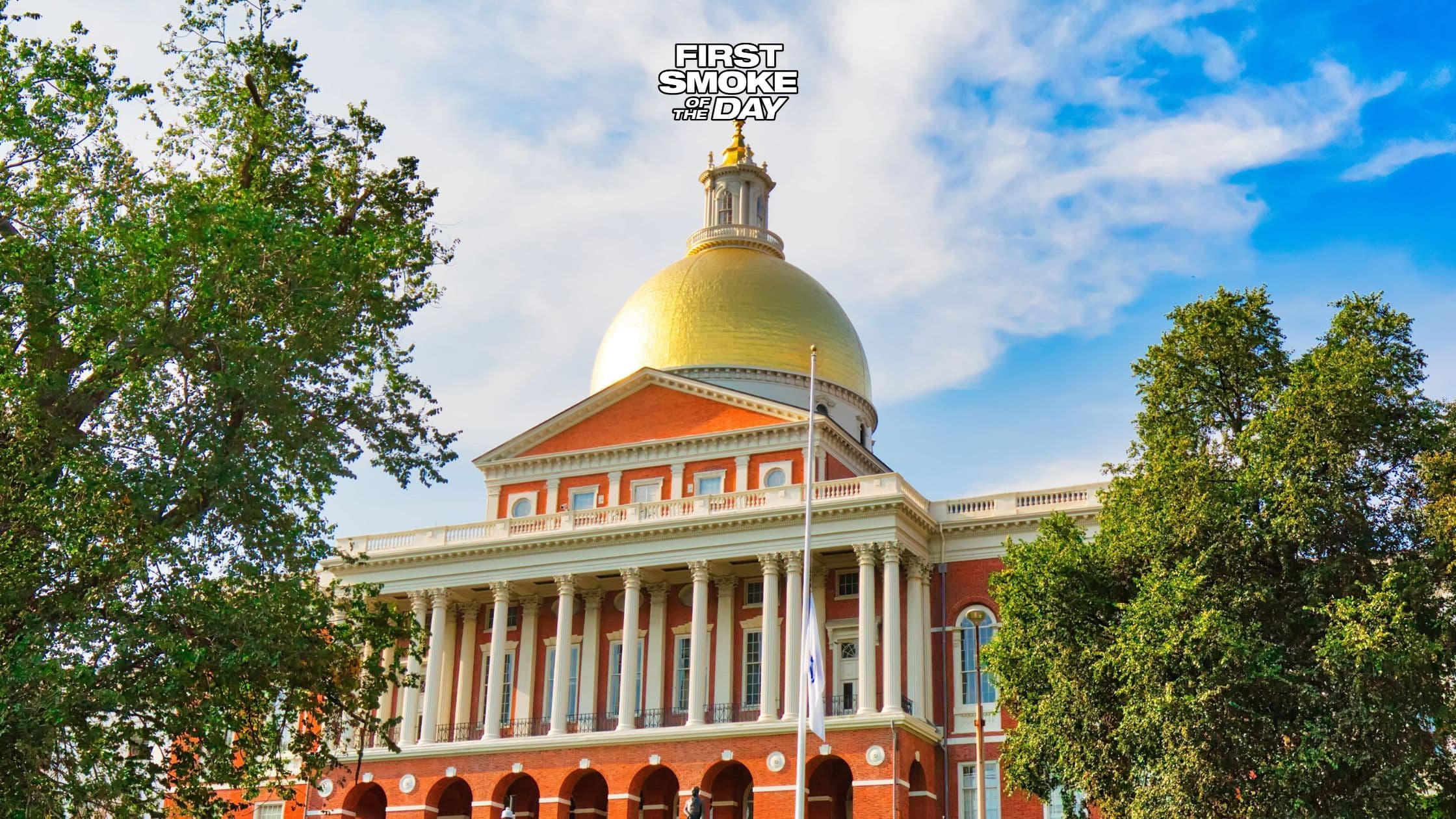
The campaign to stop Massachusetts from repealing legal cannabis just picked up one of the most powerful voices in the state. Boston Mayor Michelle Wu has thrown her support behind the effort to defeat Question 8, and she's far from the only big name doing it.
The No on 8: Stop the Repeal campaign announced Wu's endorsement on October 14. Question 8, which goes before voters in November, would repeal the adult-use cannabis laws Massachusetts voters approved a decade ago. Wu was an early supporter of legalization back then, and she framed her position now as protecting what's been built. She pointed to the businesses, jobs, and tax revenue legalization created, including money that funds substance-use recovery and public health programs. She said she's voting no "to protect that progress, not turn back the clock."
The strongest argument against repeal isn't abstract. It's about who gets hurt. Boston runs one of the most robust cannabis equity programs in the country, built to help people and communities hit hardest by the War on Drugs get a real foothold in the legal industry. Of the city's 40-plus adult-use retailers, 18 are Social Equity Participants, eight are Economic Empowerment participants, and four hold Diverse Business Enterprise status.
Those operators are exactly who repeal would wipe out. Stop the Repeal chair Ryan Dominguez noted that Massachusetts directs millions in cannabis tax revenue toward entrepreneurs directly harmed by prohibition. The city has collected more than $9.7 million in local cannabis taxes since fiscal 2022, with another $3.6 million projected for this year. Kill the market and that funding, and those businesses go with it.
Wu joins a lineup that's grown quickly. Gov. Maura Healey came out against the measure earlier this month, telling a Boston TV program flatly, "I'd vote no," and urging residents to do the same. Congresswoman Ayanna Pressley is on board. So are the Law Enforcement Action Partnership, the SEIU Massachusetts State Council, and actor and cannabis farmer Jim Belushi, alongside a widening group of public health officials, labor organizations, and small business owners.
The repeal effort didn't grow out of Massachusetts. It was started and bankrolled by Smart Approaches to Marijuana, the most prominent cannabis-prohibition group in the country. They’ve poured millions into the campaign, including a $3.2 million contribution that opponents have labeled dark money. The grassroots No on 8 side, by contrast, had raised a little over $1.5 million as of early September. Dominguez cast that as momentum, saying voters understand what's at stake: "27,000 jobs, more than 400 small businesses, and billions of dollars in tax revenue."
The numbers we’re seeing here back up the scale. Massachusetts regulators announced in September that the state's legal cannabis industry has now topped $10 billion in all-time sales.
This article is based on reporting by Cannabis Business Times. Read the original coverage at cannabisbusinesstimes.com.
A few weeks ago, the worry was that the opposition to this repeal was sleepwalking, leaning on courtroom challenges instead of making the case to voters. That worry is fading fast. When the governor, a sitting congresswoman, the mayor of Boston, major labor unions, and law enforcement reformers all plant their flags in the same month, that's not a campaign hoping to survive. That's a campaign going on offense. This is exactly the kind of mobilization that was missing, and it's genuinely great to see.
Notice what nearly every one of these endorsements leads with. Not "weed is great." The money, the jobs, and above all, the equity. That's the smart play, because it's also the true one. Massachusetts didn't just build a market. It built an equity program that put real licenses in the hands of people the drug war targeted, and funneled tax revenue into recovery and public health. Repeal doesn't just close some shops. It specifically erases the operators the state spent a decade lifting up and defunds the programs that revenue supports. When you frame the fight that way, "roll it all back" starts to sound a lot less appealing to a lot more voters.
A wall of famous names is a great headline and a terrible substitute for turnout. This is an off-year election, and Question 8 only needs yes votes equal to 30% of all ballots cast to pass. That math rewards a motivated minority and punishes a comfortable majority that assumes the governor has it handled. The real danger now isn't that Massachusetts loves prohibition. It's that supporters of legal cannabis read these endorsements, feel reassured, and stay home.
And remember, SAM isn't spending millions here because it cares about Massachusetts. It's testing a repeal playbook it wants to run state by state, with Maine already in its sights. Beating it decisively here is how you kill the playbook. The cavalry showing up is the good news. Now the people who actually agree with them have to show up too. We will see how the future unfolds in November very soon. Follow FSOTD for new exclusive podcast episodes and more updates directly from the culture.
Membership gets you full episodes, behind-the-scenes, and more. Start with a free trial.
Start Your Free Trial